



How to Choose Blinds That Actually Work
How to Choose Blinds That Actually Work
Your stunning wooden blinds looked perfect in the showroom. Six months later, the slats are warping and the finish is peeling.
The problem isn't quality. It's mismatch.
When blinds fail quickly, it's usually because aesthetics won over function. You chose what looked beautiful instead of what would work in your specific room conditions.
Start With Your Room's Reality
Before you fall in love with any blind style, assess what your room actually demands.
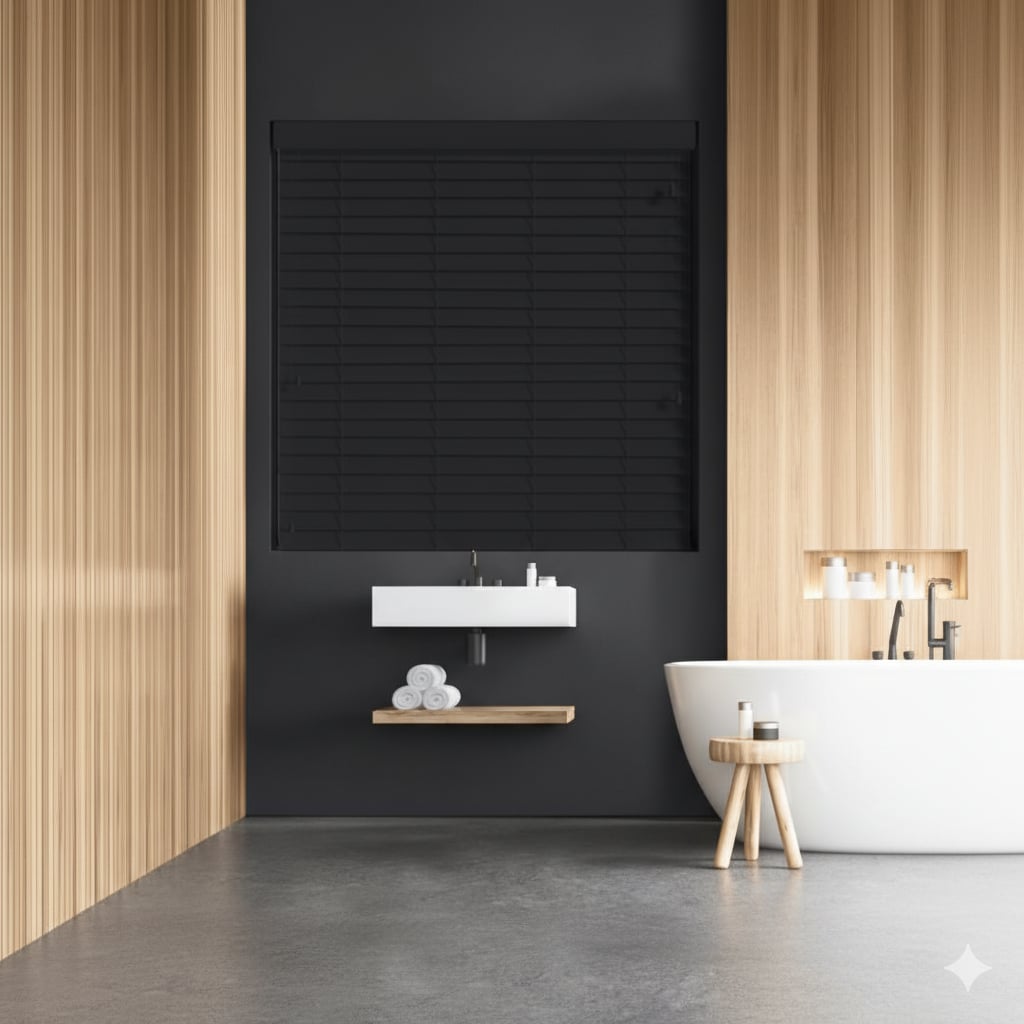
High moisture areas like bathrooms need materials that won't absorb humidity. Wood absorbs moisture and swells. The tilt mechanism sticks. Slats warp within 3–6 months if you take daily steamy showers.
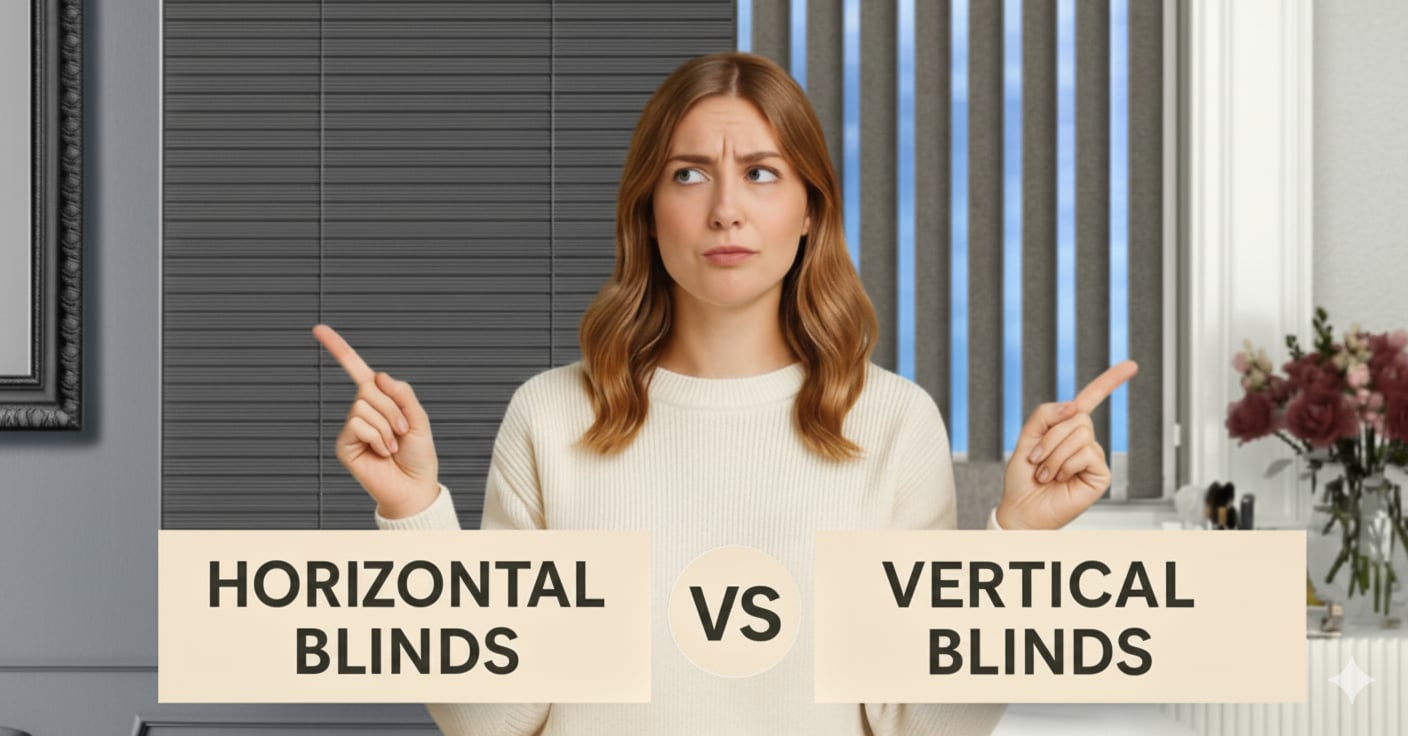
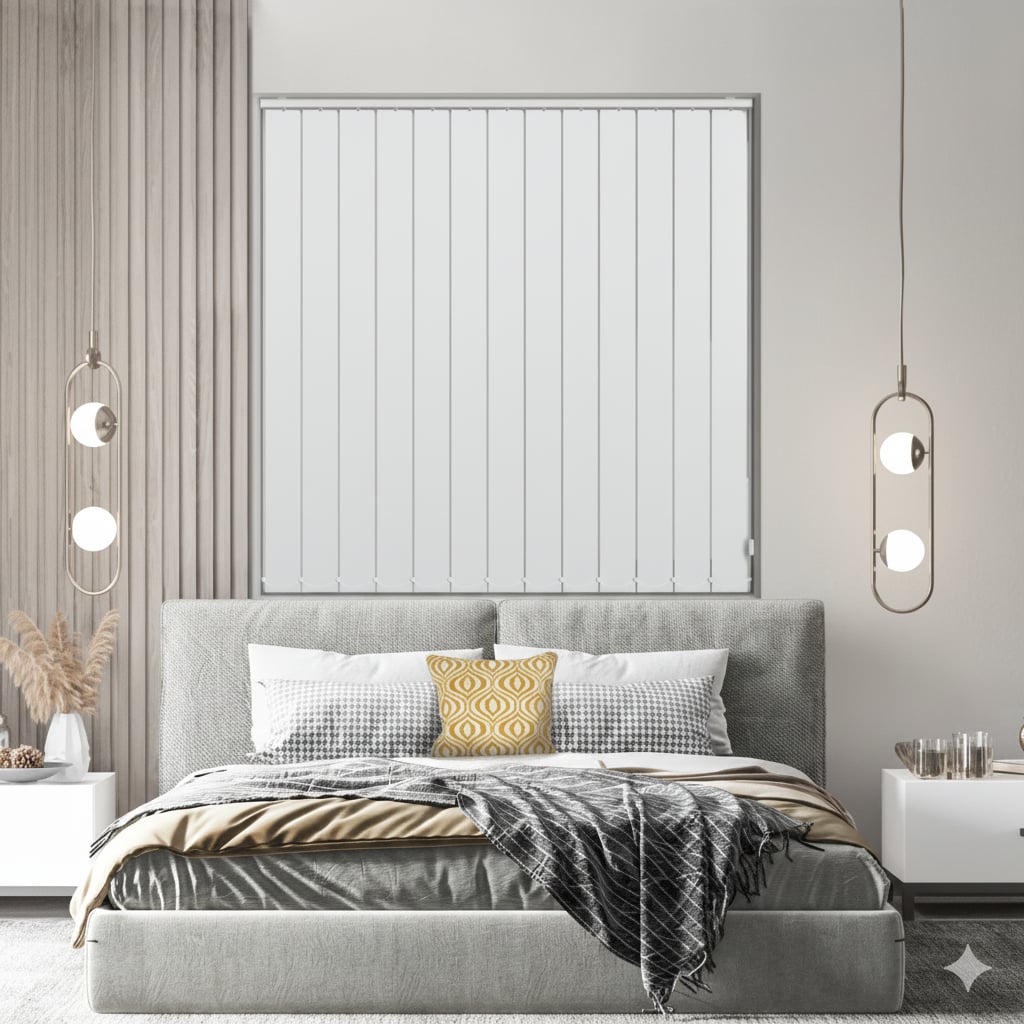
Large windows and patio doors work better with vertical blinds that slide sideways. You won't block walkways when opening them. Horizontal blinds become heavy and awkward on wide spans.
Small to medium windows suit horizontal blinds perfectly. You get precise light control through tilting slats. Vertical blinds can overwhelm smaller spaces and create unnecessary visual weight.
Match Materials to Conditions
Your room's environment determines which materials will survive and which will fail.
For bathrooms and kitchens: Choose faux wood, PVC, or aluminum. They handle moisture without damage while maintaining the aesthetic you want.
For bedrooms: Prioritize light control over looks. Blackout materials matter more than wood grain if you need darkness for sleep.
For living areas: Consider dust visibility. Horizontal blinds show dust more easily than vertical ones. Factor cleaning frequency into your decision.
Avoid These Common Mistakes
Choosing trend over function. That Instagram-worthy look might not work in your actual space with your actual lifestyle.
Ignoring maintenance reality. Individual slats can be replaced on vertical blinds. Horizontal blinds often require full replacement when damaged.
Overlooking operation difficulty. Heavy horizontal blinds become frustrating on large windows. Test the mechanism before committing.
The Four-Question Framework
Ask yourself these questions before choosing:
1. What does this room actually need? Light control, privacy, moisture resistance, or easy access?
2. How will I use this window? Frequent opening, occasional adjustment, or set-and-forget positioning?
3. What are the environmental conditions? Humidity levels, direct sunlight, temperature fluctuations?
4. How much maintenance am I willing to do? Regular cleaning, occasional repairs, or minimal upkeep?
Your answers reveal which blind type will actually work in your space.
When Form Follows Function
The best blind choice balances style and practicality. Faux wood gives you the warm look of real wood without moisture problems. Vertical blinds in quality materials can look just as elegant as horizontal ones.
Function doesn't mean sacrificing aesthetics. It means choosing materials and styles that will stay beautiful because they're suited to their environment.
Start with what your room needs. Then find the most attractive option that meets those requirements. Your blinds will look better longer because they're working with your space, not fighting it.
For more detailed comparisons and specific product options, explore our comprehensive guides on vertical blinds and horizontal blinds to find the perfect solution for your home.
Made to Measure Window Blinds UK | Lifestyle Blinds
At Lifestyle Blinds, we believe the right made-to-measure window blinds do more than cover your windows — they complete your home's style, enhance energy efficiency, and deliver real functionality for modern living. With over 20 years of industry experience, we have proudly served homeowners across the UK with a carefully curated range of made-to-measure blinds, combining design flexibility, premium quality, and excellent value.