




Everything You Need to Know About Roller Blinds
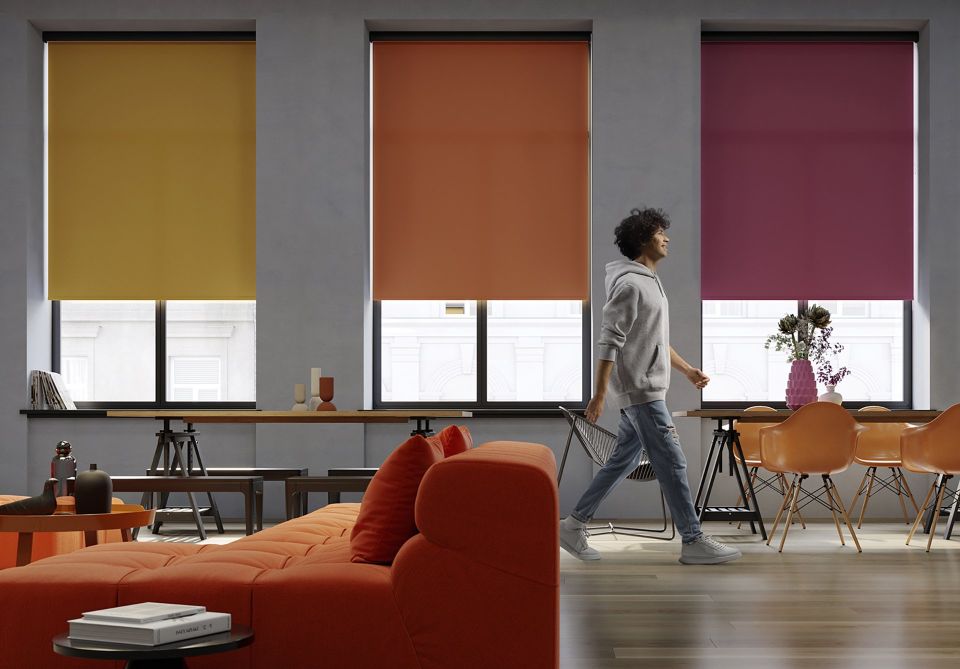
Confused about which roller blinds suit your home best? This guide breaks down everything you need to know before you buy.
Your Guide to Choosing Roller Blinds
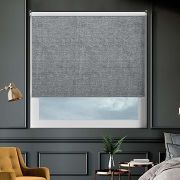
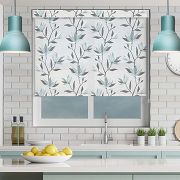
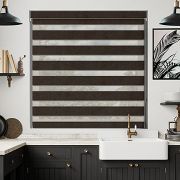
Roller blinds are a versatile and stylish window treatment option, perfect for enhancing any room in your home. Whether you're looking for the best roller shades for your kitchen or considering bathroom roller blind ideas, there are numerous options to suit your needs. From easy fit roller blinds that require no drilling to cut to measure roller blinds for a precise fit, the choices are abundant. When selecting the right colour roller blinds for white walls or deciding on the best fabric for roller blinds, it's essential to consider both aesthetics and functionality. With a variety of styles, including fitted blackout roller blinds and clip fit roller blinds, you can find the ideal solution for every space, including conservatories and bay windows. Explore all roller blinds.





5 Things to Consider Before Choosing Roller Blinds
When selecting easy to fit roller blinds, it’s essential to consider various factors to ensure you make the right choice for your space. Here are some key considerations:
- Window Size: Measure your windows accurately to ensure a perfect fit. Custom sizes may be necessary for non-standard windows.
- Fabric Type: Choose a fabric that suits your needs, whether you prefer light-filtering, blackout, or thermal materials for insulation.
- Style and Colour: Consider the overall decor of your room. Roller blinds come in various colours and patterns, allowing you to complement your interior design.
- Installation Method: Look for blinds that offer easy fitting options, such as brackets that require minimal tools. Some designs even allow for a no-drill installation.
- Motorisation: If convenience is a priority, consider motorised roller blinds. They offer ease of use, especially for hard-to-reach windows.
By keeping these factors in mind, you can select roller blinds that enhance your home while being easy to fit.
Types of Roller Blinds
Choosing the right type of roller blinds can significantly enhance your space, providing both functionality and style. With various options available, understanding the different types can help you make an informed decision. Below, we explore the most popular types of roller blinds to suit your needs.
Blackout Roller Blinds
Blackout roller blinds are designed to block out light completely, making them ideal for bedrooms or home theatres. They provide privacy and help regulate temperature, ensuring a comfortable environment. Shop blackout roller blinds for a perfect night's sleep.
Light Filtering Roller Blinds
Light filtering roller blinds allow natural light to enter while reducing glare, creating a soft ambiance in your room. These are perfect for living areas where you want to maintain brightness without sacrificing privacy. Explore light filtering options to enhance your home’s atmosphere.
Bathroom Roller Blinds
Bathroom roller blinds are designed to handle humid and steamy environments while maintaining style and privacy. Made from moisture-resistant fabrics, they prevent mould and mildew, making them perfect for bathrooms and wet rooms. Explore bathroom roller blinds that combine practicality with contemporary design.
Children’s Roller Blinds
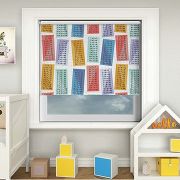
Children’s roller blinds bring fun and imagination into your child’s room with playful prints and colourful designs. Perfect for bedrooms and playrooms, they combine safety features such as cordless options with practical light control for naps and bedtime. Discover children’s roller blinds that make any space bright, safe, and inspiring.
Thermal Roller Blinds
Thermal roller blinds are designed to provide insulation, helping to keep your home warm in winter and cool in summer. They are an excellent choice for energy efficiency, reducing heating and cooling costs. Explore thermal roller blinds for a more energy-efficient home.
Inside vs Outside Recess Fit
Choosing how your roller blind fits is as important as the fabric itself. Use this side-by-side guide to weigh the look, light control, and practicality of inside-recess versus outside-recess (face-fit) installation.
| Factor | Inside Recess | Outside Recess (Face-fit) |
|---|---|---|
| Look & finish | Minimal, built-in appearance that follows the window lines. | Bolder, frames the window; can visually “enlarge” small windows. |
| Light gaps | Small gaps at sides are inevitable (tube & brackets sit within reveal). | Overlaps the frame to minimise side light; best for reducing glow. |
| Privacy & blackout | Good, but edge glow remains—especially at night. | Better edge coverage; pair with blackout fabric for darker rooms. |
| Obstructions (handles, tiles, vents) |
May clash with handles/vents; check reveal depth carefully. | Bypasses obstructions by sitting proud of the frame. |
| Measuring tolerance | Low tolerance: recess must be square and plumb for best result. | More forgiving on out-of-square openings; easier to “cover” defects. |
| Heat & glare | Neat fit helps with glare control but allows side glow. | Better overlap improves glare reduction at the edges. |
| Installation difficulty | Straightforward if reveal is clear and deep enough for brackets. | Simple top- or face-fix; positioning determines coverage. |
| Best for | Clean, modern look; deep, square recesses; lightweight fabrics. | Bedrooms / TV rooms needing darker finish; shallow or uneven recesses. |
| Watch-outs | Expect light gaps; avoid if handles/tiles reduce usable depth. | May cover architrave; check clearance for sills, radiators, switches. |
Customer favourites: Inside recess for a sleek, architectural look. Outside recess for maximum darkness and flexibility.
Explore roller blinds to find fabrics that suit your chosen fit.
How to Measure Roller Blinds Correctly
Accurate measuring is what makes a made-to-measure roller blind look like it was built for your window. In this section we’ll walk through the basics, including different ways the blind can sit (inside the recess, face-fit/outside recess, or using an existing headrail where relevant).
If you want full step-by-step diagrams, measuring tolerances and drill positions, you can follow our full measuring guide for roller blinds if you’d like a detailed walkthrough.
Inside vs Outside Recess: Which Fit Is Right?
|
|
|
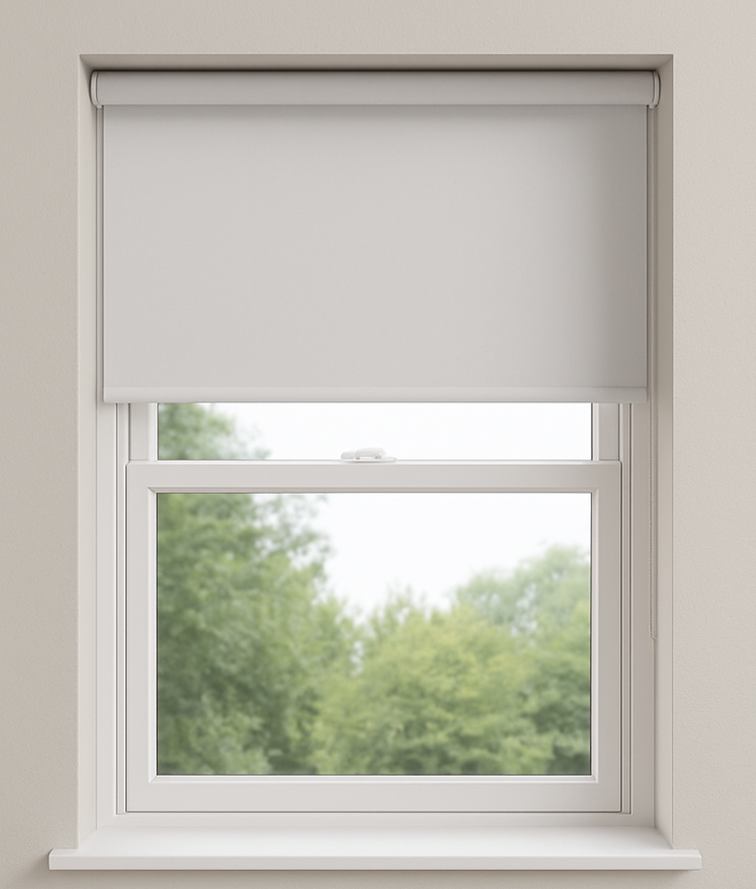
Inside recess — This fitting style offers a neat, built-in look that hugs the window frame, creating a seamless appearance. |
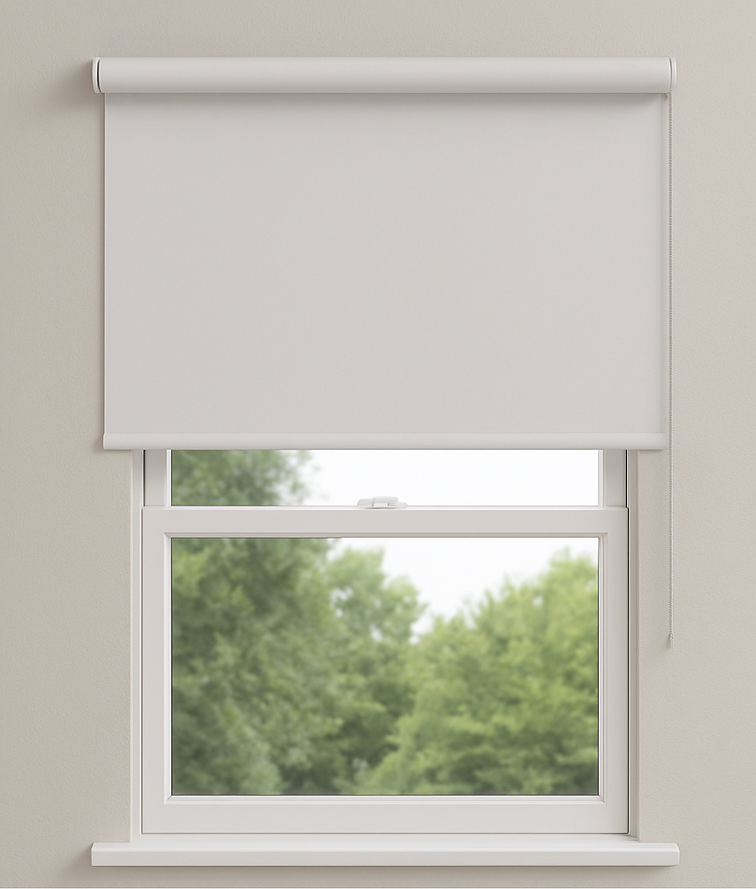
Outside recess (face-fit) — This mounting option is fitted over the frame, providing better blackout and covering any gaps for enhanced light control. |
Both fitting styles have their advantages. Inside recess fittings provide a tidy finish but may allow some light gaps, while outside recess fittings block more light and offer greater coverage. Accurate measuring is crucial for both styles to ensure a perfect fit.
| Factor | Inside recess / built-in style | Outside recess / face-fit style |
|---|---|---|
| Look & finish | This approach offers a sleek, integrated appearance that enhances the window's aesthetics. | Face-fit provides a bold look that can cover any imperfections in the window frame. |
| Light control / coverage | May leave small gaps, but fits closely to the frame for decent light control. | Offers excellent blackout capabilities and covers gaps effectively. |
| Measuring accuracy | Requires precise millimetre measurements for a snug fit. | More forgiving; can often use existing sizes for reference. |
| Obstacles / clearance | Consider any handles or tiles that may obstruct the blind's movement. | Typically less affected by obstacles, as it sits outside the frame. |
| Best for | Ideal for a clean, integrated look in modern interiors. | Best for rooms needing maximum light control or uneven window frames. |
How to Measure for an Inside Recess Fit
Use this method if you want a neat, built-in look. Ensure you measure in millimetres and record the smallest measurement where relevant.
- Measure the width at the top, middle, and bottom of the recess. Use the smallest measurement.
- Measure the drop at the left, centre, and right of the recess. Again, use the smallest measurement.
- Check for any obstructions like handles or tiles that could interfere with the blind's operation.
- Send us your exact measurements without rounding up; we’ll handle any necessary fitting allowances.
Inside-style tips:
- Use millimetres only for accuracy.
- Record the smallest size if it's going inside a recess.
- Note anything that could block smooth movement (handles, tiles, etc.).
How to Measure for an Outside Recess (Face-Fit)
Choose this if you want maximum blackout or to cover an uneven recess. Ensure you measure in millimetres and provide the correct dimensions.
- Measure the width, adding approximately 35mm past each side for optimal blackout.
- Specify whether you’re providing the recess size or the finished blind size; we need the finished size for roller blinds.
- Confirm there is enough mounting space or that your headrail is compatible.
- Ensure any special requirements, like blackout overlap, are noted for alignment.
Outside-style tips:
- Consider how much overlap you need for blackout coverage.
- Mention any concerns about uneven recesses, or confirm it's not an issue.
- Clarify whether to provide exact finished size or raw opening size.
Fitting & Installation Basics
Fitting roller blinds is normally straightforward. Here’s a quick overview of the installation process:
- Mark where the brackets or headrail will sit.
- Drill and secure the brackets or clip into the existing headrail.
- Attach the roller blind and test its operation.
If you can drill a couple of holes – or clip into an existing headrail – you can usually fit roller blinds.
Common Measuring Mistakes to Avoid
- Guessing instead of measuring: Never assume two windows are identical.
- Rounding up: Always record the tightest millimetre measurement.
- Mixing up sizes: Be clear whether you're providing recess size or finished blind size.
- Forgetting obstacles: Handles or tiles can affect the final fit if not accounted for.
Rest assured, we can double-check your numbers before anything is custom-made.
What type of windows are roller blinds suitable for?
Due to the versatility of the fitting brackets roller blinds are suitable for pretty much all types of windows listed below.
- Roller Blind Measuring Instructions For Normal Windows
- Roller Blind Measuring Instructions For Angled Bay Windows
- Roller Blind Measuring Instructions For Boxed Bay Windows
- Roller Blind Measuring Instructions For Angled Conservatories
- Roller Blind Measuring Instructions For Square Conservatories
- Roller Blind Measuring Instructions For Bifolding Doors
- Roller Blind Measuring Instructions For French Doors
- Roller Blind Measuring Instructions For Sliding Doors
Ready to Order?
Now that you’ve measured confidently, you’re ready to choose your fabric and place your order. If you’d like extra reassurance before you drill or clip anything into place, you can also check our fitting & installation guide for roller blinds, which walks you through fixing the brackets and doing a final safety check.
Feel free to browse our roller blinds range, and remember we’ll happily double-check your sizes before anything is custom-made.

Why choose Roller Blinds from Lifestyle Blinds?
Every blind is crafted to order and backed by quality you can trust.
- Expertly made-to-measure in the UK
- Free fabric samples so you can choose confidently
- 5-year guarantee for peace of mind
- Motorised and child-safe upgrade options
- Most orders dispatched in around 7 working days
- Secure checkout and friendly specialist support
Every blind is made here in the UK and Ireland by BBSA-accredited manufacturers, combining local craftsmanship with strict quality standards.
How to Clean & Maintain Electric Blinds
Electric blinds are just as easy to care for as manual blinds — you simply have a few extra steps to keep the motor, battery and controls working smoothly.
Cleaning the Fabric
Most electric blinds use the same fabrics as standard roller blinds. Wipe gently with a damp microfibre cloth from top to bottom. Avoid soaking the motor end or any charging ports — keep moisture away from the headrail.
Battery Care (Rechargeable Motors)
Recharge the blind when movement slows or when the LED indicator flashes. Avoid letting lithium batteries run completely flat. For best performance, give the blind a full overnight charge every few months.
Replaceable Battery Tubes
If your blind uses replaceable batteries, swap all cells at the same time to keep power output consistent. Always use high-quality alkaline batteries for longest life.
Remote Control Maintenance
Wipe the remote with a soft cloth to keep buttons responsive. Replace the coin-cell battery when the range shortens or the blind only responds intermittently. If the remote loses connection, re-pair it using the blind’s pairing button or by following the manufacturer’s reset sequence.
Smart Hub & App Care
If you use voice control or app control, ensure your hub is within good Wi-Fi range. Restart the hub if routines or automations stop working. Some hubs update firmware automatically — occasional restarts help keep performance stable.
Motor & Bracket Checks
Once a year, check that the brackets remain tight and secure. A slight hum during movement is normal, but loud vibration usually means a bracket needs tightening. Never spray lubricant directly into the motor, but you can use silicone spray on the roller tube and moving hardware if needed.
Tip: Keep the charging cable in a consistent place so you never have to hunt for it when the blind needs a top-up.
Explore electric blinds for motor options, remotes and smart home compatibility.
Ready to choose your Electric Blinds?
Transform your space with our range of electric blinds, perfect for any window. Whether you prefer motorised roller blinds or blackout options, we have the ideal solution for you.
Shop Electric BlindsNeed more information? Explore Electric Blinds to find the perfect fit for your home.
Frequently Asked Questions
There are several types of fittings for roller blinds, including:
- Face-fix: Mounted on the wall or window frame for a clean look.
- Top-fix: Fixed to the top of the recess, ideal for maximising light.
- Side-fix: Attached to the side of the window frame for added stability.
- Locate the brackets that hold the blind in place.
- Lift the blind upwards to disengage it from the brackets.
- Carefully pull the blind away from the wall or window frame.
Roller blinds feature various mechanisms, including:
- Chain-operated: A chain loop allows for easy adjustment.
- Motorised: Remote-controlled for convenience and ease of use.