



Blinds That Keep Your Home Warm in Winter
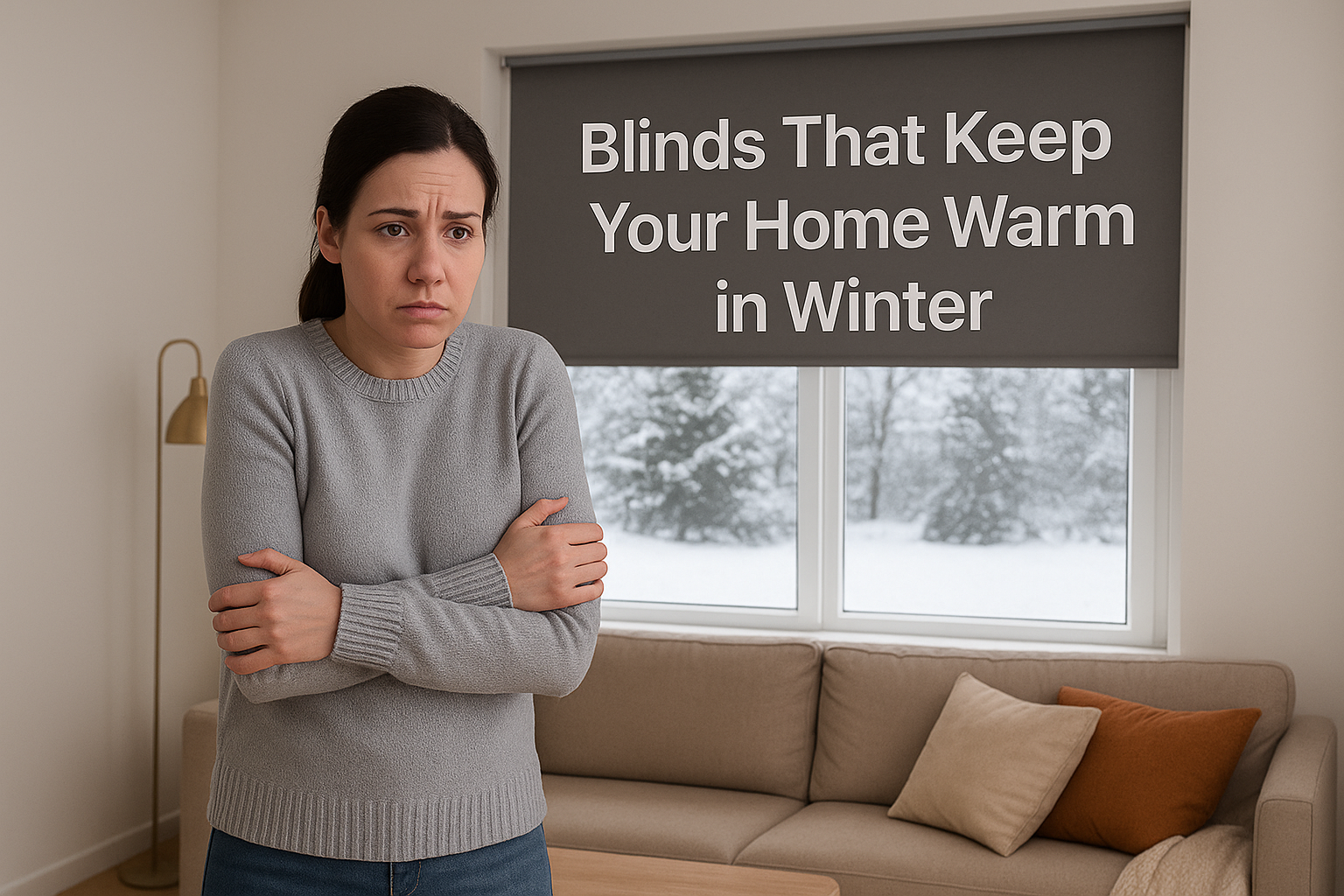
A few winters ago, I noticed something odd. Even with the heating on, rooms with large windows stayed cold. At night, when I closed the blinds, the temperature stabilized.
That got me thinking.
I started investigating how much heat actually escapes through windows. The answer surprised me. British houses lose approximately 18% of their heat through windows. Your beautifully decorated space might be hemorrhaging warmth.
So I ran a test.
The Testing Setup
I placed a digital thermometer one meter from each window. Same heating settings. Same south-facing windows. I tracked temperature drops overnight for a week per blind type.
Four blind types went head to head: standard roller blinds, thermal roller blinds with reflective backing, blackout blinds, and BlocOut™ blinds with side channels.
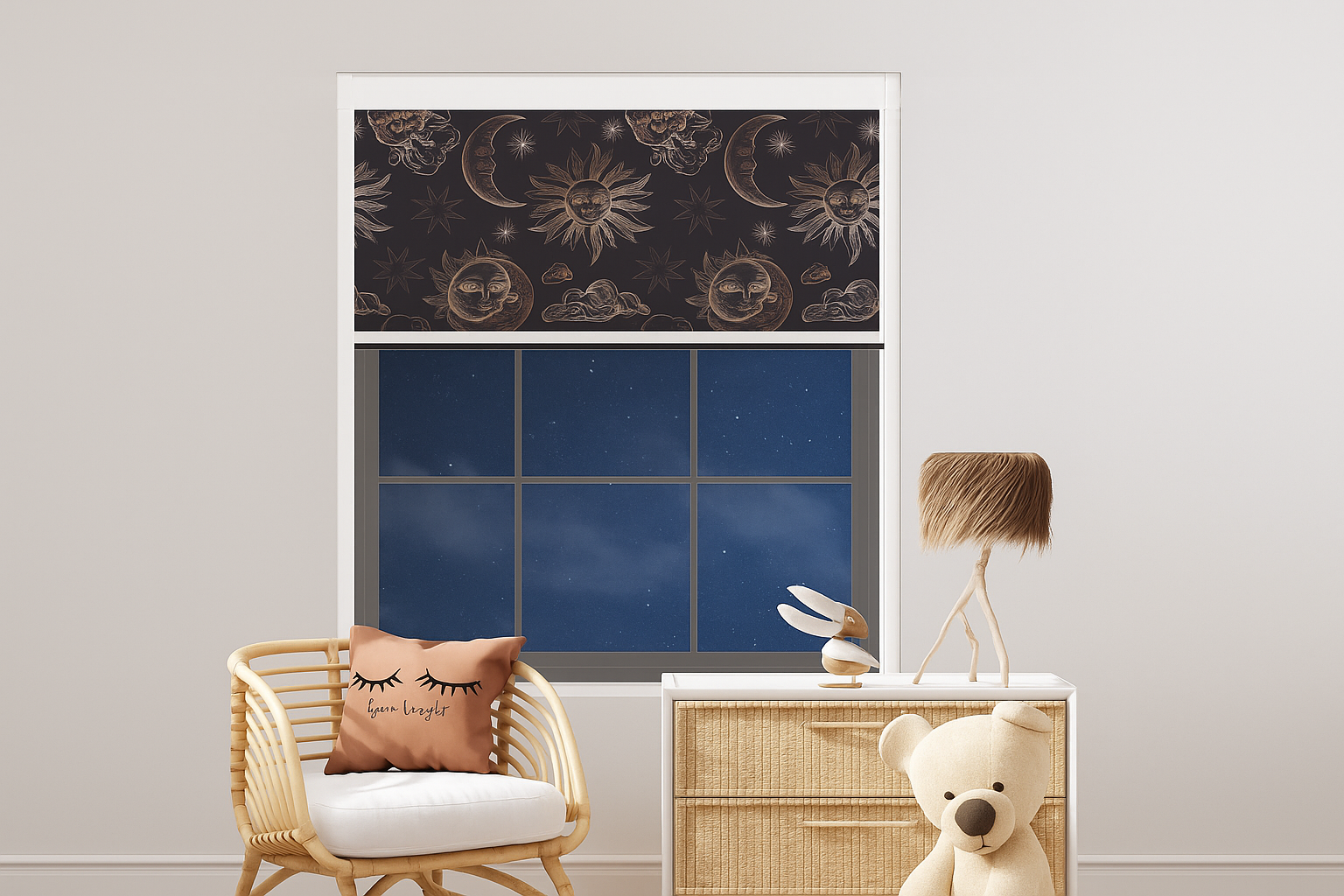
The results weren't close.
What the Numbers Revealed
Standard roller blinds lost 3-4°C overnight. You could feel cold air sneaking around the edges like invisible drafts.
Thermal roller blinds performed better at 2°C heat loss. Less drafty, but still losing warmth.
Blackout blinds matched the thermal performance. Dense fabric held heat in, but without reflective properties, they couldn't bounce warmth back into the room.
BlocOut™ blinds only dropped 1°C overnight.
The room felt consistently warmer. No cold air brushing your face when you woke up near the window. The difference was immediate and measurable.
The Edge Sealing Discovery
Here's what I learned. Most heat loss happens at the edges of windows, not through the center of the glass.
Those tiny gaps act like miniature chimneys. Cold air sneaks in. Warm air escapes. Standard blinds sit a few centimeters away from the frame, so that circulation continues behind the fabric.
BlocOut™ blinds stop this completely.
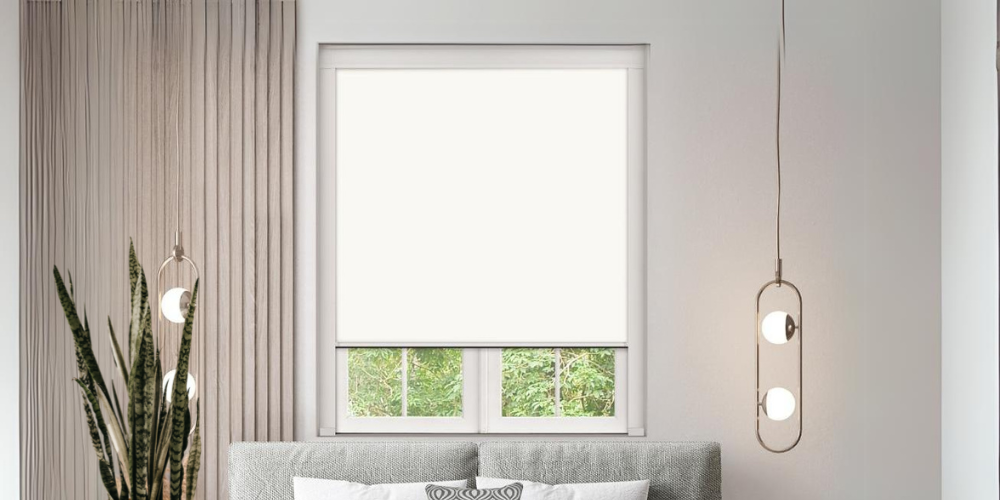
The side channels and cassette headbox create an almost airtight seal. Warm air can't circulate behind the blind. It stays trapped between the fabric and window, forming an insulating pocket of still air.
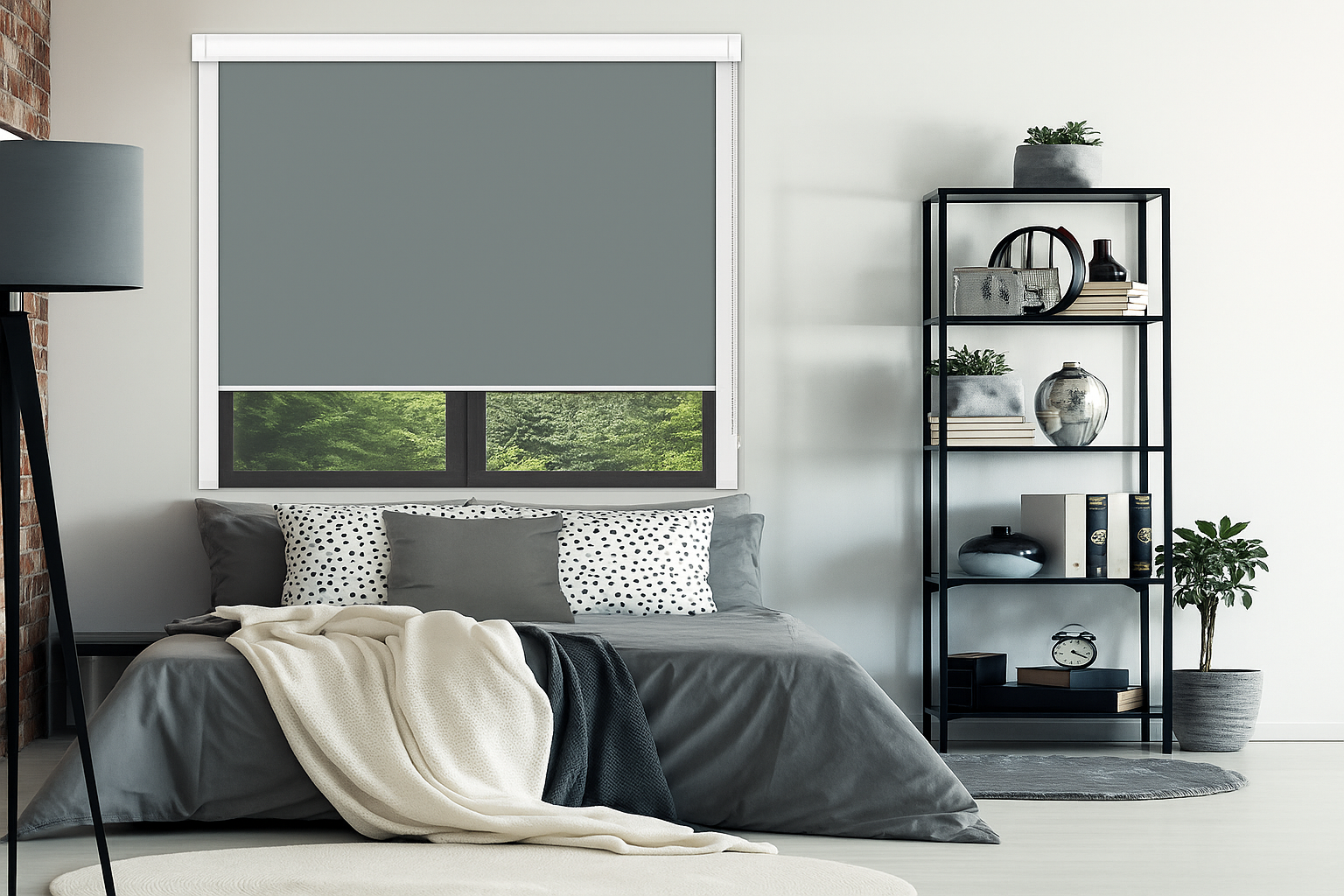
The system blocks all three paths of heat loss. Convection gets eliminated by the sealed edges. Conduction reduces because the dense fabric touches very little of the cold frame. Radiation bounces back into the room through the thermal coating.
It's physics, not marketing.
What This Means for Your Home
Proper fitting matters as much as fabric density. Research shows that tightly installed systems can reduce heat loss by 40% or more.
The window transforms from your home's weakest thermal point into something closer to an insulated wall panel.
I realized that blinds aren't just a finishing touch. They're a functional thermal layer. The right system combines design and engineering to make homes genuinely more comfortable and efficient.
That 1°C difference adds up over an entire winter. Lower heating bills. Consistent warmth. No more cold spots near windows.
The edge sealing makes all the difference.
My Winter Blind Recommendations
Based on my testing and research, here are the blinds I recommend for maximum winter insulation:
- BlocOut™ Blinds - Best overall performance with sealed side channels for complete draft elimination
- Thermal Roller Blinds - Excellent heat-reflecting properties with reflective backing
- Blackout Blinds - Dense fabric provides solid insulation for bedrooms and living spaces
- Wooden Venetian Blinds - Natural insulating properties of wood combined with adjustable slats
- Day and Night Blinds - Flexible light and temperature control throughout the day
Made to Measure Window Blinds UK | Lifestyle Blinds
At Lifestyle Blinds, we believe the right made-to-measure window blinds do more than cover your windows — they complete your home's style, enhance energy efficiency, and deliver real functionality for modern living. With over 20 years of industry experience, we have proudly served homeowners across the UK with a carefully curated range of made-to-measure blinds, combining design flexibility, premium quality, and excellent value.